All Categories
Featured
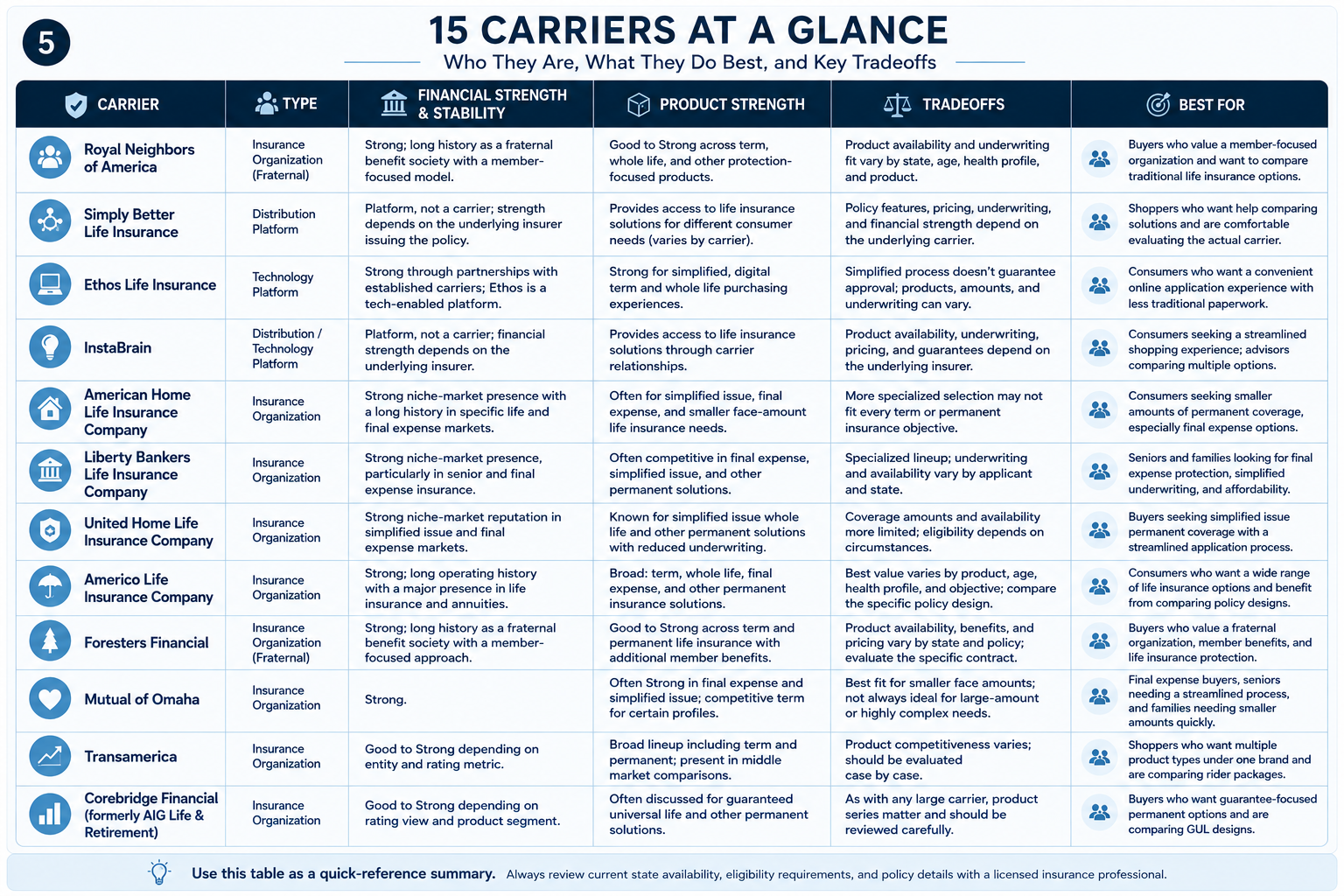

Securing Burial Insurance to Support Seniors
Table of Contents
Like all health insurance, receiving in-network care is best to keep your out-of-pocket costs low. Unlike HMO strategies that won't cover any part of your bill if you seek out-of-network care (other than in a covered emergency situation), you can get out-of-network care when taking a trip out of your routine strategy network location with a PPO policy.
Medicare in CoronaCost-conscious people need to think about a couple of drawbacks to PPO plans that may make getting care more costly. While they're versatile and convenient, PPO strategies have higher premiums.
If you do have a deductible, it's most likely to be more expensive than other strategy types. While your insurer will share the expense with you, you'll likely pay a higher coinsurance portion for out-of-network suppliers. When you visit an in-network service provider, they'll file your claim to your medical insurance company on your behalf.
PPO insurance policy holders may find the claim filing process complicated if they're not utilized to it or lengthy if they often need out-of-network care from an expert. In 2023, the typical yearly premium for a group PPO plan was $8,906 for self-only protection and $25,228 for family coverage2. Employers contributed $7,399 towards a self-only strategy, and workers contributed $1,507.
Essential Medicare Selection Tips for 2026
The typical deductible for PPO plans was $1,281. As discussed above, PPO plans acquired on the ACA marketplaces likewise have an optimum out-of-pocket limitation of $9,450 for self-only coverage and $18,900 for family plans.
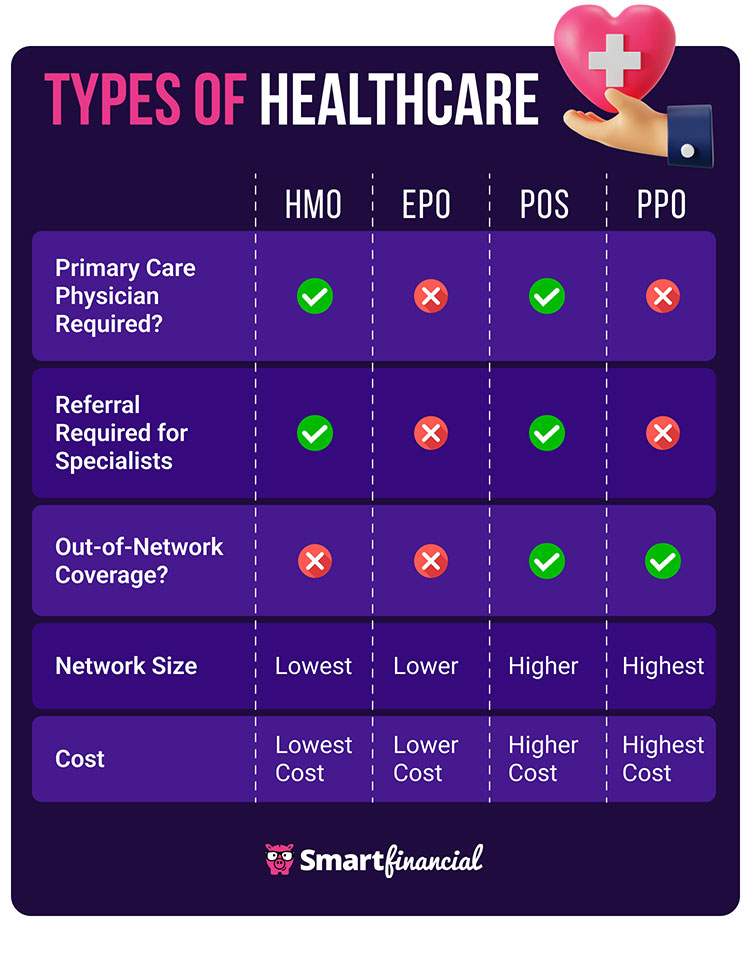
Yes No Yes No Some plans do. A lot of plans do. Yes. If they do, they're responsible for paying the whole bill on their own unless the care was for an emergency. Yes. Nevertheless, individuals might have a greater coinsurance or medical costs. Whether you have an HMO or PPO plan, you can utilize a health repayment arrangement (HRA) to lower out-of-pocket medical costs.
Medicare in CoronaOnly companies can introduce and contribute toward an HRA. Companies utilize an HRA to provide their staff members a month-to-month allowance to spend for medical expenses. As soon as an employee buys a qualified item or service, they submit documents revealing proof of purchase, and their employer reimburses them approximately their allowance quantity.
Affordable Plan Choices for US Veterans
Staff member compensations will be tax-free if their private health insurance provides minimum important protection (MEC). Employers can repay employees for out-of-pocket costs and medical insurance premiums, including those for an HMO or PPO plan. Individual protection HRA (ICHRA): An ICHRA is also a stand-alone HRA, however it's readily available to companies of all sizes and has no contribution limitations.

They must have a qualifying type of private health protection to take part. (GCHRA): Also known as an integrated HRA, a GCHRA is for companies of any size who provide a group health plan. Just workers enrolled in their employer's group plan can get involved.
While they have no maximum contribution limits, the IRS doesn't enable repayments for regular monthly premiums. No matter whether it's utilized in coordination with an HMO or PPO strategy, there's an HRA that can help staff members pay for their out-of-pocket medical costs and, often, their health insurance premiums. An HRA is a popular alternative option over conventional health advantages because they're budget-friendly for companies and versatile enough for each staff member.
How to Obtain Best Medicare Supplement Coverage
An HMO might be your best choice if you're trying to find a strategy with a low premium. However, a PPO strategy provides additional flexibility if you need more control over your healthcare. That's why researching these strategies carefully, including their pros, cons, and average expenses, is the finest very first step you can take before making a choice.
Staff member compensations will be tax-free if their specific health strategy uses minimum vital coverage (MEC). Companies can compensate employees for out-of-pocket expenditures and medical insurance premiums, consisting of those for an HMO or PPO strategy. Private protection HRA (ICHRA): An ICHRA is likewise a stand-alone HRA, but it's available to employers of all sizes and has no contribution limitations.
However, they must have a certifying kind of specific health coverage to get involved. Companies can set different allowances based on employee classes for added modification. Group protection HRA (GCHRA): Also referred to as an incorporated HRA, a GCHRA is for companies of any size who provide a group health plan. Just staff members registered in their employer's group strategy can take part.
Understanding 2026 Medicare Benefit Rules and Seniors
While they have no optimum contribution limits, the internal revenue service doesn't enable compensations for regular monthly premiums. No matter whether it's used in coordination with an HMO or PPO plan, there's an HRA that can assist staff members spend for their out-of-pocket medical expenses and, often, their medical insurance premiums. An HRA is a popular alternative option over conventional health benefits because they're affordable for companies and versatile enough for every worker.
An HMO may be your best option if you're looking for a plan with a low premium. However, a PPO plan provides extra flexibility if you need more control over your healthcare. That's why researching these plans thoroughly, including their pros, cons, and average costs, is the very best first step you can take previously deciding.

Latest Posts
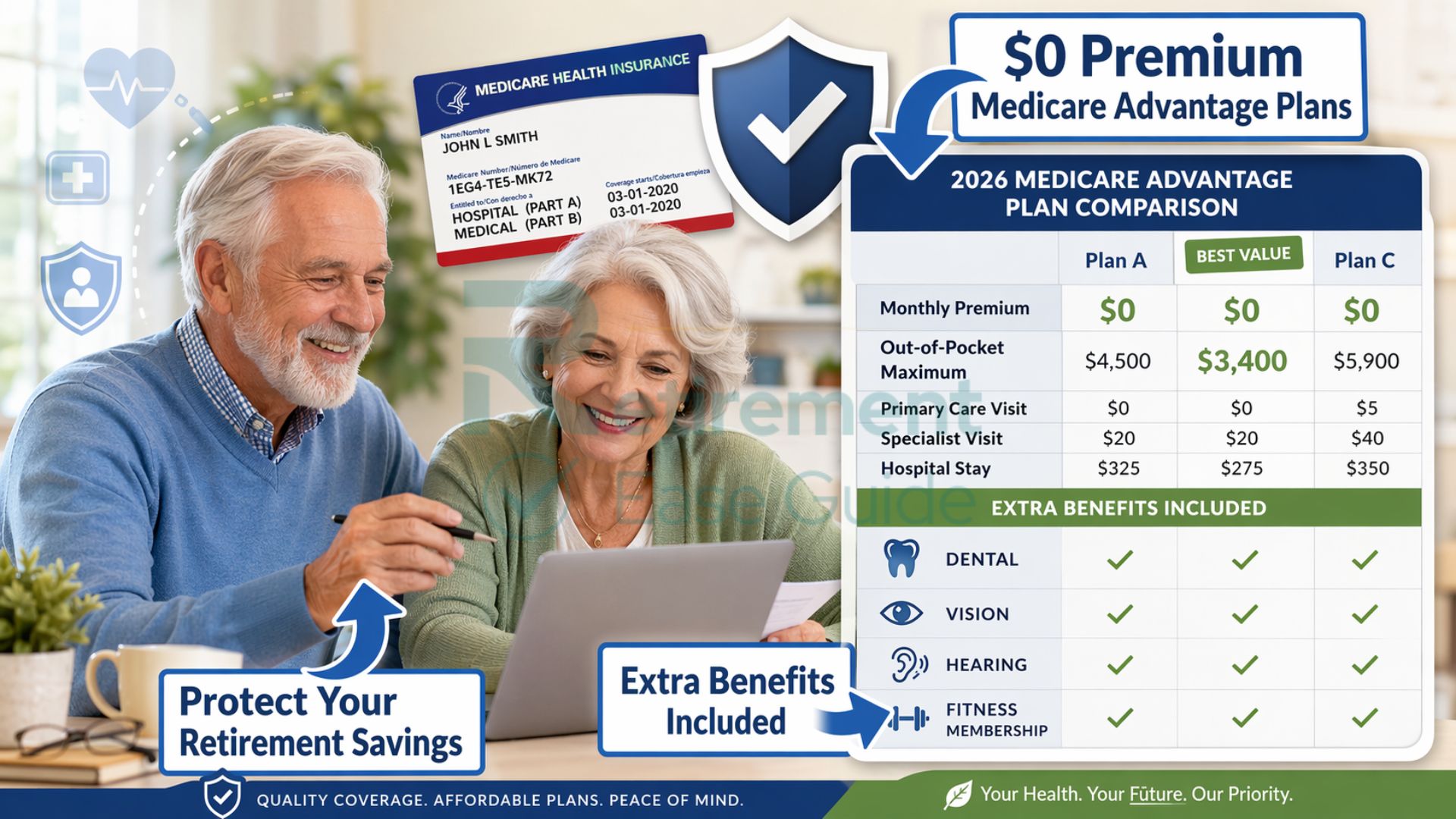
Securing the Individual Medical Insurance Quotes

Finding Your Best 2026 Medicare Advantage Plans
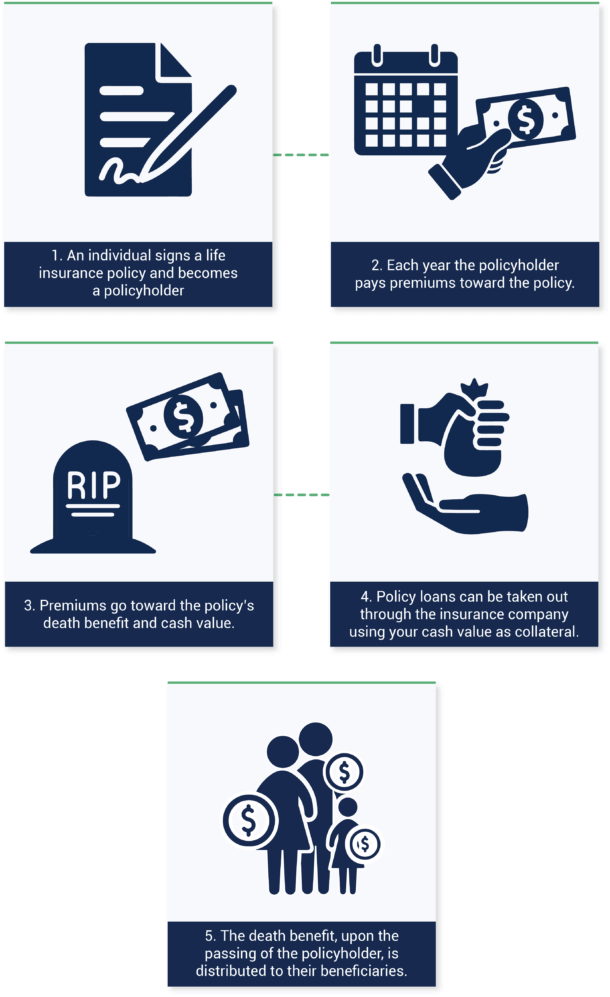
Individual Health Insurance Quotes for Families